
Introduction to CRM and Its Importance in Dentistry
CRM stands for Customer Relationship Management. It’s a tool, a technology for managing all your practice’s relationships and interactions with current and potential patients. Think of it as a smart assistant that helps keep track of patient details, appointments, treatment histories, and even preferences, all in one place. This helps ensure no detail gets missed, no matter how small. In dentistry, where personal touch and trust are key, CRM can make a big difference. It allows for personalized communication, faster response times, and a more organized way of managing patient information. This isn’t just about efficiency; it’s about building stronger relationships with your patients, ensuring they feel heard, understood, and valued every step of their dental journey. Integrating CRM into your dental practice can streamline your operations, enhance patient satisfaction, and even boost your clinic’s growth.
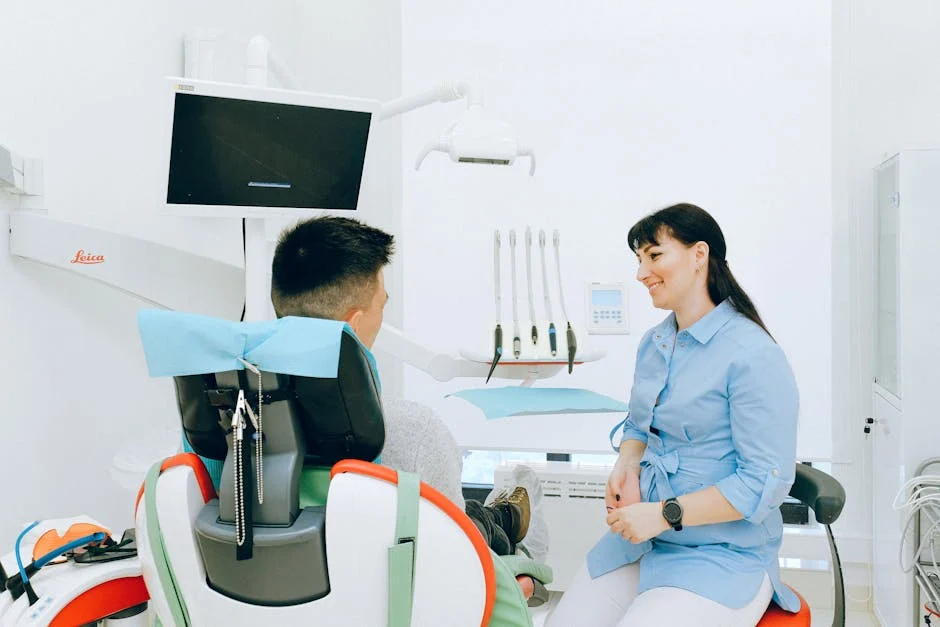
Understanding CRM: What It Is and How It Works
CRM stands for Customer Relationship Management. Simply put, it’s a system that helps businesses manage all their interactions with current and potential customers. In the realm of dentistry, CRM software can be a game-changer. How? By organizing patient information in one place. This means your dental team can easily access everything from contact details and appointment history to treatment notes. But it’s not just about storing information. CRM tools often come with features that enable dentists to send appointment reminders, follow-up messages, and even marketing emails to keep patients engaged. It makes tracking patients’ needs and preferences a breeze, ensuring personalized communication that can significantly improve patient satisfaction. So, when we talk about CRM in dentistry, we’re looking at a powerful tool that streamlines communication, fosters loyalty, and, ultimately, helps your practice thrive.
The Top Benefits of Implementing CRM for Dentists
Using a CRM, or Customer Relationship Management tool, can really change the game for dentists. First off, it makes keeping in touch with patients way easier. This isn’t just about sending appointment reminders, although that’s super helpful. It’s also about personalizing the communication. Imagine getting a message tailored just for you, maybe a follow-up after a procedure, or a birthday wish. This personal touch can make patients feel valued and more connected to their dentist.
Then there’s the part about managing patient data. A CRM can store details like treatment history and personal preferences. This means dentists can quickly access information, making each visit smoother and more personalized. No need to ask the same questions over and over. It’s all there, making both the dentist’s and the patient’s life easier.
Another big win is growing the practice. With CRM, dentists can identify which services are most popular and which ones might need a bit more promotion. It’s also a tool for gathering feedback. Positive reviews can be highlighted, and any concerns can be addressed quickly. Happy patients are more likely to return and to recommend the dentist to others.
Finally, CRMs can streamline admin tasks. Scheduling, billing, and other necessary evils of running a practice can be managed more efficiently. This frees up time for dentists and their teams to focus on what they do best—taking care of patients.
So, in a nutshell, implementing a CRM can make a dentist’s practice more efficient, personalize patient care, help grow the business, and simplify the daily grind. It’s a powerful tool for staying connected with patients and ensuring the practice runs like a well-oiled machine.
Enhancing Patient Communication Through CRM
CRM systems, short for Customer Relationship Management, are game-changers when it comes to talking with patients. Think of CRM as your all-knowing assistant. It keeps track of every patient’s history, preferences, and even the small chats you had about their weekend plans. This means no more scrambling through notes before a patient’s visit. You’re always ready, making your patients feel heard and valued.
What’s more, CRM lets you send out appointment reminders automatically. Forget the days of missed appointments or last-minute cancellations. Patients get a nudge right in their inbox or phone, reducing no-shows and keeping your schedule tight and efficient.
On the techier side, CRM tools can help you segment your patients. This means you can send out personalized health tips, or reminders to schedule a cleanup, to just the right group of patients. It’s like having super-targeted conversations without putting in extra time. Plus, happy patients are the ones who feel cared for personally, not just another name on the list.
So, looking at it straight, CRM doesn’t just make your life easier; it brings you closer to your patients. You communicate better, they feel special, and your practice runs smoother. It’s a win-win-win.
Streamlining Appointment Scheduling and Reminders
Using CRM (Customer Relationship Management) software, dentists can make booking appointments and sending reminders a breeze. This means less time you spend on the phone and more time taking care of your teeth. No more back-and-forth calls to nail a time slot. A CRM lets your dentist send you appointment options, and you pick what works for you. Easy, right? Plus, automatic reminders mean you’re less likely to forget your appointment. These reminders can come as texts or emails, so you’re always in the loop. This setup not only saves time but also reduces the chance of missed appointments, helping the dental office run smoother. It’s a win-win for everyone.
Personalising Patient Experiences with CRM Data
CRM, or Customer Relationship Management, is a gold mine for dentists looking to up their game. With CRM, each patient is more than a file. They’re unique, with their own needs, preferences, and dental history. By tapping into CRM data, dentists can craft personalized experiences that hit the mark. For instance, if someone’s terrified of dental work, gentle reassurance and a calming environment can be arranged before they even step into the office. Birthday greetings or reminders for follow-ups become more than generic messages; they’re warm, personalized touches that let patients know they’re valued. All in all, using CRM data doesn’t just fill chairs; it builds relationships. Strong, personalized connections pave the way for loyalty and word-of-mouth recommendations, which, let’s face it, are golden.
Improving Patient Retention Rates with CRM
CRM software isn’t just a fancy tool; it’s a game-changer for dentists aiming to keep their patients coming back. Let’s break it down. First, CRM stands for Customer Relationship Management. In the dental world, think of it as your secret weapon for knowing your patients like the back of your hand. By keeping detailed records of their visits, preferences, and even their birthdays, you personalize their experience. When patients feel valued, not just as a number but as a part of your dental family, they stick around. Plus, a CRM can automate appointment reminders and follow-up emails. This means your patients are less likely to skip their next checkup because you’re keeping the conversation going, even outside the clinic walls. Bottom line: a keen use of CRM boosts your patient retention rates. When patients see that you care, that you remember them, and that you’re proactive in managing their dental health, they don’t just come back, they become loyal. And in the long haul, loyalty translates to a thriving practice.
Integration of CRM with Other Dental Practice Software
Integrating CRM (Customer Relationship Management) software with your dental practice’s existing systems can be a game-changer. Picture this: your scheduling system, electronic health records (EHR), and billing software all talking to each other seamlessly. That’s the beauty of CRM integration. When your CRM works hand in hand with other software, information flows freely, reducing manual data entry and errors. It means when a patient books an appointment, their information automatically updates across all platforms. No more entering the same details in different places. This efficiency not only saves time but also enhances the accuracy of patient data. Plus, it leads to better patient experiences. They get timely reminders for appointments and payments, personalized communication based on their history, and quick responses to queries. In a nutshell, integrating CRM with other dental practice software simplifies processes, making your practice more efficient and patient-friendly.
How to Choose the Right CRM for Your Dental Practice
Picking the right CRM for your dental practice isn’t as tough as it might sound. Start by understanding what you really need. Do you want to improve how you communicate with patients? Are you looking to streamline appointments? Or maybe you need better marketing tools? Once you know your goals, focus on these key areas: ease of use, compatibility with your current systems, and support and training. Look for a CRM that’s easy to navigate. You and your team might not use it to its full potential if it’s too complex. Make sure it works well with what you already have in your office to avoid tech headaches. Lastly, pick a CRM that comes with solid support. You want a team that’s there when you need help, offering training to get you up and running smoothly. Remember, the best CRM is the one that fits your practice’s unique needs like a glove.
Implementing CRM in Your Practice: Steps to Success
Implementing a CRM, or customer relationship management tool, in your dental practice is straightforward if you follow a few key steps. First, choose the right CRM. Look for one that fits your practice size, has features like appointment scheduling, and offers good customer support. Next, train your team. Make sure everyone understands how to use the CRM and sees the benefits it can bring to your practice. Then, migrate your data. Move patient information and schedules into the new system. Do it carefully to avoid mistakes. Lastly, use the CRM daily. Encourage everyone in the practice to use the CRM, from scheduling appointments to tracking patient interactions. This makes sure the CRM becomes a valuable part of your work. Switching to a CRM can make communications smoother, help keep clients happy, and improve your practice. So, taking these steps seriously will set you up for success.

Digital Business Coach | Web Revenue Strategist | Award-Winning IT Consultant | Author | Get 1:1 Step-By-Step and Strategic Guidance.
With over 20 years of industry experience in business and personal development, I’ve successfully been working with coaches, consultants and authors set up the right systems and implement strategic content strategies to start, grow or scale their business online with 1:1 services and online courses.
I can help you or your small business cut through the noise and map out the most efficient path from point A to Point B and Guide you on How To Transform Your Skills And Knowledge Into A Structured And Automated Coaching, Consulting or Author Business Without Tech Overwhelm, Noise or Distractions Online. Schedule a Call