
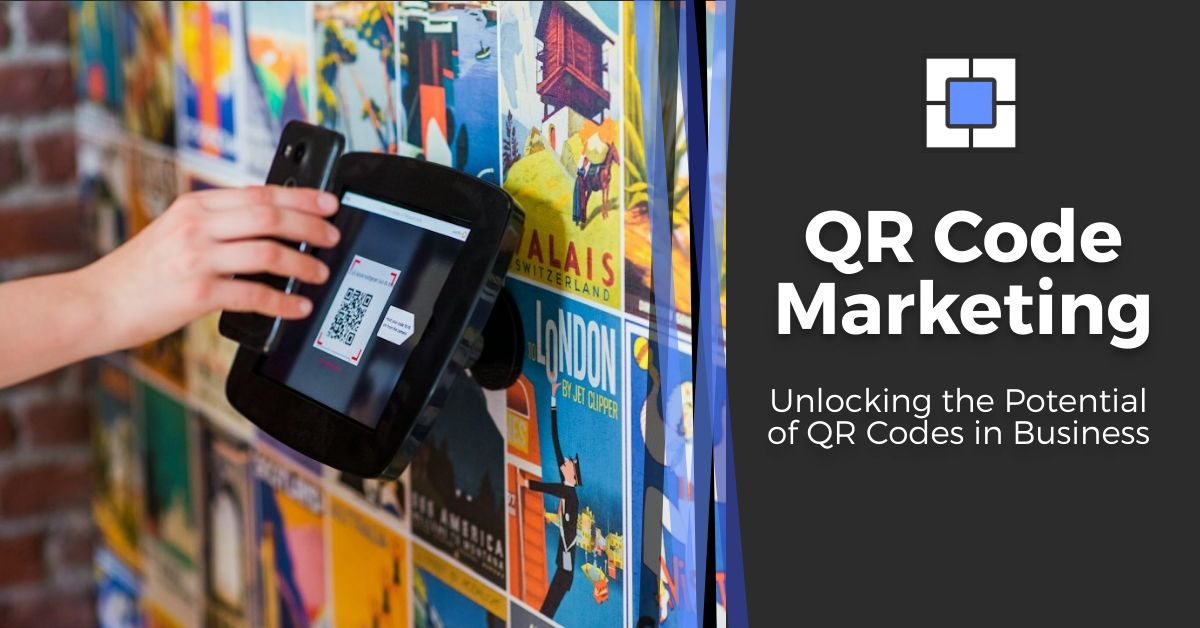
Heard of QR Code Marketing? Well, QR codes, those square-shaped barcodes, have revolutionised the way businesses interact with consumers. Initially developed for tracking automotive parts, QR codes have found a new lease of life in the marketing world. They offer a unique blend of convenience and technology, making them an invaluable tool for businesses looking to bridge the gap between offline and online experiences.
What are QR Codes?
QR codes, or Quick Response codes, are a type of two-dimensional barcode that can store data such as text, URLs, or other information, which can be accessed by scanning the code with a QR code reader, typically available on smartphones and tablets.
Developed in 1994 by Denso Wave, a subsidiary of Toyota, for tracking automotive parts during manufacturing, QR codes have since gained widespread use in various industries, particularly in marketing and advertising.
They allow for a seamless connection between physical and digital content, enabling businesses to provide consumers with instant access to websites, videos, product details, promotions, and much more, simply by scanning the code with their mobile device.
Before diving into strategies, it’s crucial to understand QR codes’ functionality and types. QR codes store data in a two-dimensional matrix, readable by smartphones and tablets. They come in various forms, each suited for different marketing objectives, from simple URL redirects to more complex actions like initiating app downloads.
What are the top 6 ways in which QR codes are used?
QR codes are versatile tools with a wide range of applications. Here are the top 5 ways in which QR codes are commonly used:
- Mobile Payments: QR codes facilitate easy and secure mobile payments. Users can scan a QR code to execute transactions quickly without the need for physical cards or cash.
- Marketing and Advertising: Businesses use QR codes in their marketing materials, such as flyers, posters, and digital ads, to direct consumers to their website, social media pages, promotional videos, or special offers.
- Product Packaging: QR codes on product packaging provide customers with instant access to detailed product information, instructions, nutritional facts, or even augmented reality experiences related to the product.
- Event Ticketing and Check-ins: QR codes are widely used for event ticketing. They simplify the process of ticket purchase, distribution, and validation at the event entrance, and can also facilitate seamless check-ins at events and conferences.
- Information Sharing and Networking: QR codes are often used on business cards or at networking events to share contact information, professional profiles (such as LinkedIn), or portfolios, making it easier for individuals to connect and share their professional details with others.
- Business Cards – digital business cards can be a useful way to save on paper and direct people to your profile, and when used properly, it can be beneficial for data collection from networking events.
These applications highlight how QR codes bridge the physical and digital worlds, offering convenience, enhancing user engagement, and providing valuable data for businesses.
Integrating QR Codes in Business Strategy
The first step in integrating QR codes into your business strategy is to define clear marketing goals. Whether it’s increasing website traffic, enhancing customer engagement, or promoting a new product, your objectives will dictate how and where you use QR codes. Understanding your target audience is also crucial. Different demographics may respond differently to QR code campaigns, so tailor your approach accordingly.
QR Codes in Digital Marketing
QR codes can significantly enhance your online presence. They can be used on social media platforms to direct users to your website, online shop, or exclusive content. QR codes can bridge the gap between different marketing channels, providing a seamless experience for your audience.
Incorporating QR Codes in Physical Marketing
In print media, QR codes can transform static ads into interactive portals. On billboards, flyers, or product packaging, QR codes can provide additional information, video content, or exclusive offers, enhancing the user’s interaction with your brand.
Innovative Uses of QR Codes
Some of the most successful QR code campaigns have been those that think outside the box. From interactive scavenger hunts to networking at events, the possibilities are endless. QR codes can turn a mundane interaction into an engaging, memorable experience.
QR Codes and Customer Engagement
QR codes can significantly enhance the customer experience. They offer a quick and easy way for customers to leave reviews, access detailed product information, or even interact with your brand through augmented reality experiences. This increased engagement can lead to better customer satisfaction and loyalty.
QR Codes for E-commerce
For e-commerce businesses, QR codes can simplify the shopping experience. They can be used to direct customers straight to a product page, making the purchasing process more efficient. QR codes also offer valuable tracking and analytics, helping you understand customer behaviour and preferences.
QR Code to Text
You can scan a QR code which opens up a keyword which can be submitted to a text number. With sophisticated CRM platforms such as SalesMaster Hub, you can initiate a dialogue with SMS bots. For example text the word “ebook” via QR code to a specific number to start a conversation. This is very good for lead generation. (Check out the QR codes on this page)
QR Code To Form
QR codes can be used to direct people to URL’s, specifically webforms, These forms can then be used to capture name, email, mobile etc. This can feed straight into ones CRM for markting.
QR Code to Review Links
Very good for local business, setup a QR code with direct link to reviews link so its easy to get customers to easily scan and leave you a review.
Security and Privacy Considerations
While QR codes are a powerful marketing tool, it’s important to consider the security and privacy implications. Ensuring the safety of the data encoded in QR codes and respecting user privacy is crucial for maintaining customer trust.
Measuring the Impact of QR Code Marketing
To gauge the success of your QR code marketing efforts, it’s vital to track scans, user engagement, and conversion rates. Analyzing this data will provide insights into what works and what doesn’t, allowing you to refine your strategy.
Optimizing QR Code Campaigns
Continuous improvement is key in QR code marketing. Conduct A/B testing to determine which designs, placements, and content resonate best with your audience. Use these insights to optimize future campaigns for better results.
Creative QR Code Design Tips
A visually appealing QR code is more likely to be scanned. Incorporate your brand’s colors, logo, and other design elements to make your QR codes stand out. However, ensure that readability is not compromised.
Overcoming Challenges in QR Code Marketing
Despite their advantages, QR code marketing faces challenges such as technical limitations and varying levels of user adoption. Staying informed about these challenges and adapting your strategy accordingly is essential for success.
Future Trends in QR Code Technology
QR code technology is constantly evolving. Anticipating and adapting to these changes can give your business a competitive edge. Stay abreast of the latest trends and be ready to incorporate new features into your QR code marketing strategy.
Best Practices for QR Code Marketing
To ensure the success of your QR code marketing efforts, follow industry best practices. This includes clear calls to action, testing codes before deployment, and monitoring performance regularly.
FAQs:
- What are the benefits of using QR codes in marketing? QR codes offer a convenient and interactive way to connect customers with digital content, enhance user engagement, and provide valuable tracking data.
- How can QR codes improve customer experience in retail? QR codes can provide instant access to product information, reviews, and exclusive offers, thus enhancing the shopping experience and customer satisfaction.
- Are QR codes effective in print advertising? Yes, QR codes effectively bridge print and digital advertising, allowing customers to interact with brands in a more engaging and informative way.
- Can QR codes be customized to match my brand? Absolutely! QR codes can be customized with colours, logos, and designs to align with your brand identity and enhance recognition.
- How can I track the success of my QR code campaigns? By using tracking and analytics tools, businesses can monitor scans, user engagement, and conversion rates to measure the success of their QR code campaigns.
- Are there any legal considerations when using QR codes in marketing? Yes, businesses must consider privacy laws, data protection regulations, and user consent when using QR codes in their marketing strategies.

Conclusion
QR codes offer a dynamic and versatile tool for marketing your business. By understanding the technology, creatively integrating it into your marketing strategy, and continuously optimizing your campaigns, you can unlock the full potential of QR codes to engage customers, enhance brand awareness, and drive business growth.
The Future of QR Codes in Marketing
As technology continues to evolve, so too will the applications of QR codes. With their ability to connect the physical and digital worlds seamlessly, QR codes are poised to remain a valuable asset in the marketing toolkit of innovative businesses.
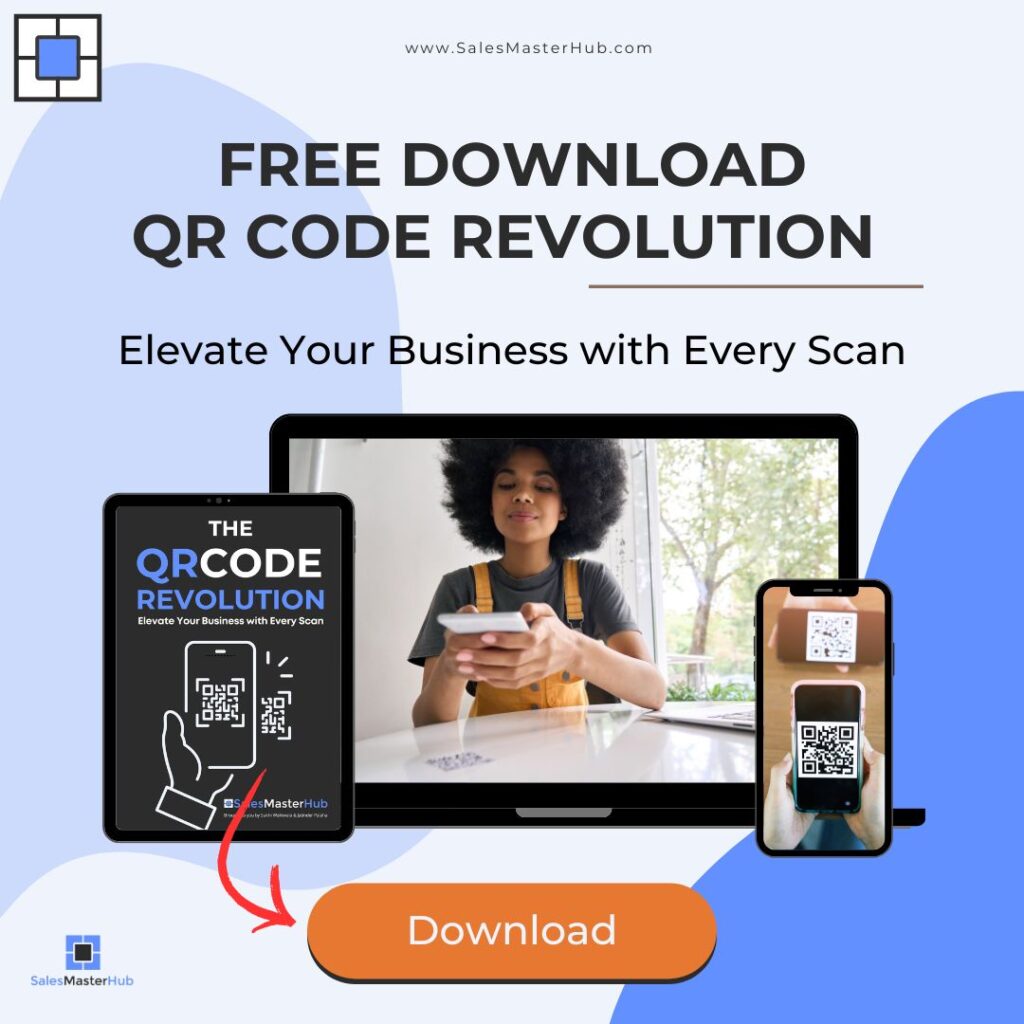
Download The QR Code Revolution ebook, worksheets, checklist and planner here.

Digital Business Coach | Web Revenue Strategist | Award-Winning IT Consultant | Author | Get 1:1 Step-By-Step and Strategic Guidance.
With over 20 years of industry experience in business and personal development, I’ve successfully been working with coaches, consultants and authors set up the right systems and implement strategic content strategies to start, grow or scale their business online with 1:1 services and online courses.
I can help you or your small business cut through the noise and map out the most efficient path from point A to Point B and Guide you on How To Transform Your Skills And Knowledge Into A Structured And Automated Coaching, Consulting or Author Business Without Tech Overwhelm, Noise or Distractions Online. Schedule a Call