

What is Emotional Intelligence?
Emotional intelligence (EI) is the capacity to be aware of and manage one’s own feelings and emotions, and the feeling and emotions of others. It is a relatively new concept in psychology and has been the subject of much research over the past few decades.
There is no single definition of emotional intelligence, but it generally refers to the ability to perceive, understand, and manage emotions. This includes the ability to regulate one’s own emotions, as well as the ability to understand and respond effectively to the emotions of others.
Some researchers have suggested that emotional intelligence is a better predictor of success than IQ. This is because EQ skills are more important in managing day-to-day interactions and relationships, and in dealing with stress and difficult situations.
Why EI Is More Important than IQ
A growing body of evidence suggests that a quality we’ve overlooked may be more important than we realize. This quality is emotional intelligence and many today believe it’s more important for business success than IQ.
IQ v. EQ
We all know about IQ. IQ stands for “intelligence quotient” and it is basically a measure of academic intelligence. IQ is determined by your performance on standardized tests with a variety of different tasks.
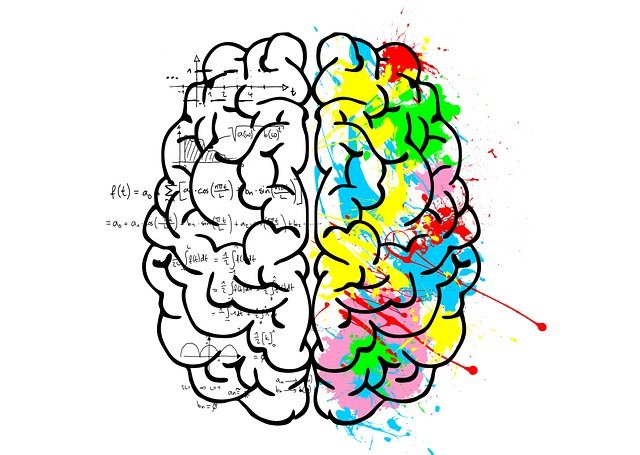
IQ is very important if you’re going to college, but what about in life generally? Emotional intelligence, which is also called emotional quotient (EQ), is your ability to perceive, understand and regular emotions. It is therefore the foundation of all people skills or “soft skills.”
Finally, EI can be learned and IQ cannot. Through skills and training, you can improve your emotional intelligence, and this is why it’s now playing a key role in business management.
Success in Life
High IQ is no guarantee of success in life. Rather, studies have shown that people with EI are more likely to be successful in both their personal and professional lives. The reason is that IQ helps you solve problems, learn things, reason and remember details.
But with a high emotional intelligence, you’re more self-aware and more in control of your emotions. You’re also more empathetic and positive. These are factors that have a greater impact on success than academic intelligence or hard skills.
Emotions drive people. High emotional intelligence is linked with high motivation. People with high EI have a drive that goes beyond the desire for money or title. Their inner motivation pushes them toward achieving their goals.
EI for the Future
One of the reasons why EI research is on the rise today is that it seems to have more relevance to the changing modern business world. IQ helps with innovation and that’s important. But IQ can’t solve the major problems the world faces today. In fact, people are more stressed, lonely and isolated today, in this high-tech world that IQ has given us. IQ also doesn’t help us connect with others, build strong relationships,
IQ is far from useless. It helps in many different situations with logic, problem solving, creativity and learning new things. But without a strong foundation of EI first, it’s impossible for us to realize all that our IQ can.
Improving your emotional intelligence can make a major difference in your life both professionally and personally by teaching you more about your own emotions and those of the people around you.
The #1 Skill You Need to Convert More Prospects to Customers
There are many different emotional intelligence skills that can help you improve sales and turn prospects into customers. One of the biggest is what’s called “delayed gratification.”
Delayed gratification means that you’re willing to do the background work before you get the reward. You’re patient enough to wait for as long as it takes to make the sale. Sometimes it can take a while. Sometimes it seems like it’s taking forever.
This is part of the self-restraint that people with high emotional intelligence have. EI teaches you to recognize and control your emotional states. In sales, there’s a feeling of urgency that pushes you to close the sale now. It tells you that it’s now or never, and you feel intense pressure to close the sale no matter what the cost.
The self-restraint of EI quiets that urge so that you can approach the prospect calmly even in the heat of the moment and handle the situation in a way that’s appropriate and effective.
You may well understand that the long term is what you should aim for. You know that making decisions hastily and quickly closing the sale isn’t a good strategy. You realize this is instant gratification and it’s impulsive. But when you’re actually in the thick of a sale, it’s sometimes very difficult to appeal to reason.
Delayed gratification is a skill every salesperson should learn. If you’re calling and emailing prospects but getting no instant results, you may feel inclined to give up. But those who stay the course expecting delayed results are the most successful salespeople.
This is also the case with networking. When you meet a new business contact, you may want to follow-up with them with an offer immediately. However, it’s better to wait until a better offer comes along than to approach them with something hastily put-together or not completely thought-out.
Content marketing, which is a highly effective method of online marketing, is based on the idea of delayed gratification. You offer free content to your prospect over a period of time and eventually start making offers.
High emotional intelligence allows you to map out a strategy and look to the long-term. People with high EI are patient, motivated and focused on the future. They tend to be good at time management and they know that the sale will happen eventually.
Delayed gratification is summed up in the old saying – “The race is not to the swiftest, it’s to those who keep on running.”
So, how can you improve in this area?
- Know your values. Keep your values in mind and say “no” when something doesn’t align perfectly with them.
- Know your goals. Identify your long-term goals and keep them at the forefront of your mind instead of short-term gains.
- Learn to plan and prioritize. Take the proper time to set out a plan and see it through.
- Reward yourself. When the sale finally happens, give yourself a good reward. It was worth the wait.
- Improve your emotional intelligence. Learn some skills to improve your overall EI and you’ll see improvement in many areas.
The principle of delayed gratification is one of the key reasons why people with high EI are generally successful, especially when it comes to sales.
5 Things You May Be Doing to Damage Your Business Relationships
Relationships are hard to build and maintain and this makes them even more precious. If you’ve worked hard to establish your business relationships, you need to do everything you can to protect them. However, there are many things you may be doing to ruin these precious relationships without being aware of it.
Taking Before Giving
Relationships are based on reciprocity. You give and you take. Each party feels that they’re getting something valuable from the other side. This is obvious to most business people, but what is the ratio of your giving and taking?
You should never make the other party feel like you’re doing something expecting something in return. Instead, pay it forward, be overly generous and wow the other person with all of the value you can, especially in the beginning stages of the relationship.
One-Way Communication
Does it appear to the other person that you talk and never listen? This produces a one-sided relationship that’s really not much of a relationship at all. Picture this situation in a personal context and it’s easy to see. Most of us avoid people who dominate every conversation in our personal lives.
In a good relationship, there’s always a dialog. You should always strive to listen more than you talk. This not only maintains a strong relationship, but you’ll also learn a great deal about your partner that you may not have noticed if you were talking.
Secrecy
Secrecy is a major relationship killer. Of course, in business there are always things that must be kept secret. But you should keep your confidentiality to a minimum. Hiding things makes you appear dishonest, and openness is essential for establishing trust in a relationship.
Try to be as transparent as possible without giving out secrets or too much information. Make sure the other party knows everything they need to know about what’s going on. Give the other person plenty of opportunities to ask questions if they need to.
No Rapport
A business relationship is about business and both parties know it. But if you’re all about the business and nothing else, this isn’t going to feel much like a relationship, but rather an exchange of commodities.
You need to establish rapport. This means establishing a baseline of comfort on a personal level. Find things that you share in common and rely on these things to strengthen your bond. When you start by establishing rapport, you create a strong relationship for the long-term.
Hard to Say Sorry
Do you have trouble apologizing? This could be damaging your important business relationships. When you do something wrong or make a mistake, own up to it quickly and sincerely. Even major mistakes can be mended if you’re willing to apologize. The apology starts you on the path to reconciliation.
Are You Letting Your Emotions Run Your Meetings?
One of the secrets to running effective meetings that most people don’t realize is emotion management.
When strong emotions are stirred up during a meeting, they can completely derail the meeting and steer it away from its goals. Defensiveness and anger have no place in a business meeting. They can only damage it and they never produce good results.
Since the meeting room isn’t the place for outbursts and meltdowns, strong emotions have to be managed well.
Prepare Thoroughly
There is less chance for emotional explosions in a meeting that’s tightly structured. Prepare the meeting well and create a detailed schedule. Try to anticipate which areas may be emotional and create a contingency plan for dealing with them if trouble arises.
Employ Empathy
When strong emotions erupt, try to handle it calmly. Start by putting yourself in the other person’s shoes. What are they feeling that is causing the outburst? Rather than condemning them for letting their emotions get the best of them, try to see the situation through their eyes. Remember that they are “right” in their mind.
If you can see it through the other person’s eyes, you’ll better understand how to defuse the situation. You can also let them know that you understand, and this can also calm them down.
Take a Break
A great strategy for dealing with strong emotions during meetings is to simply take a break and cool down. This is the business meeting version of counting down from ten and taking deep breaths.
Leave the meeting room and let everyone go their separate way so that they can decompress. Give it five or ten minutes, or however much time you deem necessary for everyone to cool down and process their emotions. Come back to the meeting when everyone is feeling more calm and collected.
Apologize Quickly and Easily
It’s very easy for people who are emotionally intelligent to say that they’re sorry. These simple words can defuse many tense situations. An apology may be all the upset person wants to hear.
The outburst may not be your fault, but learn to apologize easily. Apologizing shows sympathy and it shows that you understand how the other person feels.
No Blame
Things get heated quickly when there are accusations and blame. Try never to blame someone in a meeting, even if they clearly did something wrong. This is almost sure to trigger defensiveness and all of the strong emotions that come with it. Instead, identify a problem that exists for the meeting to solve.
Know Your Own Emotions
Get to know your own emotions and emotional triggers. Even if a meeting gets out of hand, keep yourself calm and learn to deal with your emotions appropriately. Develop your own emotional intelligence and let it help you keep things under control.
What’s Your Emotional Intelligence? 5 Questions to Help You Figure It Out
Do you want to know your emotional intelligence? There are thorough assessments you can complete online to determine your EI level, but here are just five questions that can help you get a basic idea.
What Are Your Values?
Name a handful of values that are the most important to you. These should be the core values that guide your decision-making, the things you strive for in life.
Actually, this is a trick question. Ask yourself this: How long did it take for you to think of your core values? Are you still wondering what they are?
People with high emotional intelligence know their core values well. These values are always at the forefront of their mind. If you struggled to consider yours, you may need a little boost to your EI. Self-awareness is one of the cornerstones of EI and improving your EI can help you become more self-aware.
Do You Recognize Your Emotions as You Experience Them?
In other words, could you tell someone what emotional state you’re in while you’re in it? Can you identify which emotions are driving your behavior? Or do you get overcome and upset and only later discover the emotions behind what you were feeling?
Answer this question as honestly and objectively as possible. People with high EI can identify their emotions as they feel them. They know how to regulate and control, and thus handle emotions in an appropriate way. If you don’t feel that you can, you could stand to improve your emotional intelligence.
Do Your Emotions Have a Strong Impact on How You Behave?
Are you generally in control of your emotions, or are you led by them? Consider a time recently when you’ve felt a strong emotion. Did you do or say anything rash? Or, in spite of what you were feeling, were you able to handle the situation calmly and appropriately?
Emotional intelligence gives you control over your emotions and provides coping mechanisms to help you deal with them.
Are You Curious about People?
Are you generally interested in other people, and especially people you don’t know? People who are emotionally intelligent are good listeners and strongly empathetic. They take a sincere interest in other people. If this sounds like you, you probably have a high level of emotional intelligence.
Can You “Read” People?
Can you understand the emotions and motivations behind the things people do or say? Most people aren’t truly self-aware, and this comes through in the way that they communicate. They may communicate through subtle phrases or body language hints, and they may not even be aware that they’re doing it.
If you’re emotionally intelligent, you can read these signals and understand the emotions behind them. This makes you an excellent communicator and empathetic person.
These five questions are far from thorough, but hopefully they’ve given you some idea of where you stand in terms of emotional intelligence. Remember that EI is something you can learn and improve. Let this be a starting point for nurturing your emotional intelligence.
3 Easy Steps for Increasing Your Emotional Intelligence
Over the last several years, the topic of emotional intelligence has become increasingly popular. People with average IQ’s have been shown to outperform people with high IQs by roughly 70 percent of the time because they have higher emotional intelligence. Emotional intelligence is your ability to evaluate, control, and express your emotions and assess the feelings of others. If you want to increase your emotional intelligence and become successful in both your personal and professional life, there are three easy steps that you need to follow.
Step #1 – Notice
If as a leader you find yourself anxious or tense when you are trying to solve critical issues, the energy you are expending can end up permeating the rest of your team and stall the progress that you’re trying to create. These emotions can also end up causing you to make decisions that alleviate your anxiety, but that might not be the best decisions to address the challenges you are facing. To increase your emotional intelligence, you need to take the time to notice how you are being. Take stock of how you are feeling at the moment. Noticing your’ way of being’ can help to increase your self-awareness, which is a crucial aspect of emotional intelligence.
Step #2 – Choose
After you’ve successfully noticed how you’re being, the next step is to decide how you want to be. Consider when you are stuck in a contentious meeting that is causing tension. While being tense isn’t wrong, it might not be helpful for the team. They might benefit more from a calming presence, which will allow them to see all of the possibilities rather than becoming mired with negativity that is associated with the current conflict. However you choose to be, you need to acknowledge that it is your choice. This will help you to manage your emotions and recognize the role your choice plats in boosting your emotional intelligence.
Step #3 – Be
Channel the way of being that you have chosen and become it. If you’ve decided to be peaceful, take the time to calm your mind, slow your breathing, and relax your muscles. This is the step where you effectively implement the decision you’ve made.
These steps are a way for you to start to manage your emotions and be an effective leader during difficult times. To improve your emotional intelligence, practice these steps over and over again until it becomes second nature. This process can help to empower you as a leader in a way that will benefit the entire team.
5 Ways to Improve Your Social Skills and Increase Your Emotional Intelligence
The term “social skills” is incredibly broad, but it is also used correctly in the context of emotional intelligence. When it comes to emotional intelligence, your social skills refers to how you handle and influence other’s emotions effectively. Emotional intelligence starts with your understanding of your feelings and being able to effectively manage them to achieve your goals. When you can understand and manage yourself, you can begin to learn how to understand the feelings of others and how to influence them. Here are five ways that you can improve your social skills to increase your emotional intelligence.
Work on Your Communication Skills
Your communication skills are a vital part of having good emotional intelligence. People who demonstrate high emotional intelligence can effectively listen to others and convey their own thoughts and feelings appropriately. Good communicators listen well to others and make sure that they understand what is being said. This allows them to register and act upon the emotional cues so that they can respond appropriately.
Improve Your Conflict Management Skills
Conflicts and disagreements are a natural part of life and can happen at any time. The art of managing and resolving disputes is a crucial aspect of emotional intelligence and is critical for your success both personally and professionally. Improving your conflict management skills starts by being aware of the importance of diplomacy and tact, and how they can be used to diffuse a situation.
Improve Your Leadership Skills
Your leadership skills are inextricably linked to emotional intelligence. Leaders must be tuned into their own and other’s emotions if they want to be influential. Good leaders tend to have high emotional intelligence because they can articulate a vision and provide support and guidance to their colleagues while holding them accountable for their actions.
Develop Persuasion and Influencing Skills
Persuasion is the art of motivating others and winning them over to your ideas. People who have high emotional intelligence are apt at persuading others to their proposed course of action. They can read the emotional currents of any given situation and fine-tune their response to appeal to everyone involved.
Work on Building Rapport
If you want to improve your emotional intelligence, then it is vital that you figure out how to build and maintain relationships with others. Developing this skill will lead you to have better relationships and an increased ability to get on with life. Not only are highly emotionally intelligent people good at building rapport, but they also work to maintain the relationships they already have.
When you have high emotional intelligence, it’s obvious based on your social skills. If you want to improve your emotional intelligence, then you need to work on these five ways for developing your social skills.
Conclusion
Emotional intelligence is a critical skill for anyone in a leadership role. If you want to be an effective leader, you need to be able to understand and manage your emotions, as well as the emotions of others. The good news is that emotional intelligence can be learned and developed over time. By working on your communication, conflict management, leadership, persuasion, and rapport-building skills, you can significantly improve your emotional intelligence.

Digital Business Coach | Web Revenue Strategist | Award-Winning IT Consultant | Author | Get 1:1 Step-By-Step and Strategic Guidance.
With over 20 years of industry experience in business and personal development, I’ve successfully been working with coaches, consultants and authors set up the right systems and implement strategic content strategies to start, grow or scale their business online with 1:1 services and online courses.
I can help you or your small business cut through the noise and map out the most efficient path from point A to Point B and Guide you on How To Transform Your Skills And Knowledge Into A Structured And Automated Coaching, Consulting or Author Business Without Tech Overwhelm, Noise or Distractions Online. Schedule a Call